Sales follow up should not depend on memory, motivation, or whether a rep happens to have a calm day.
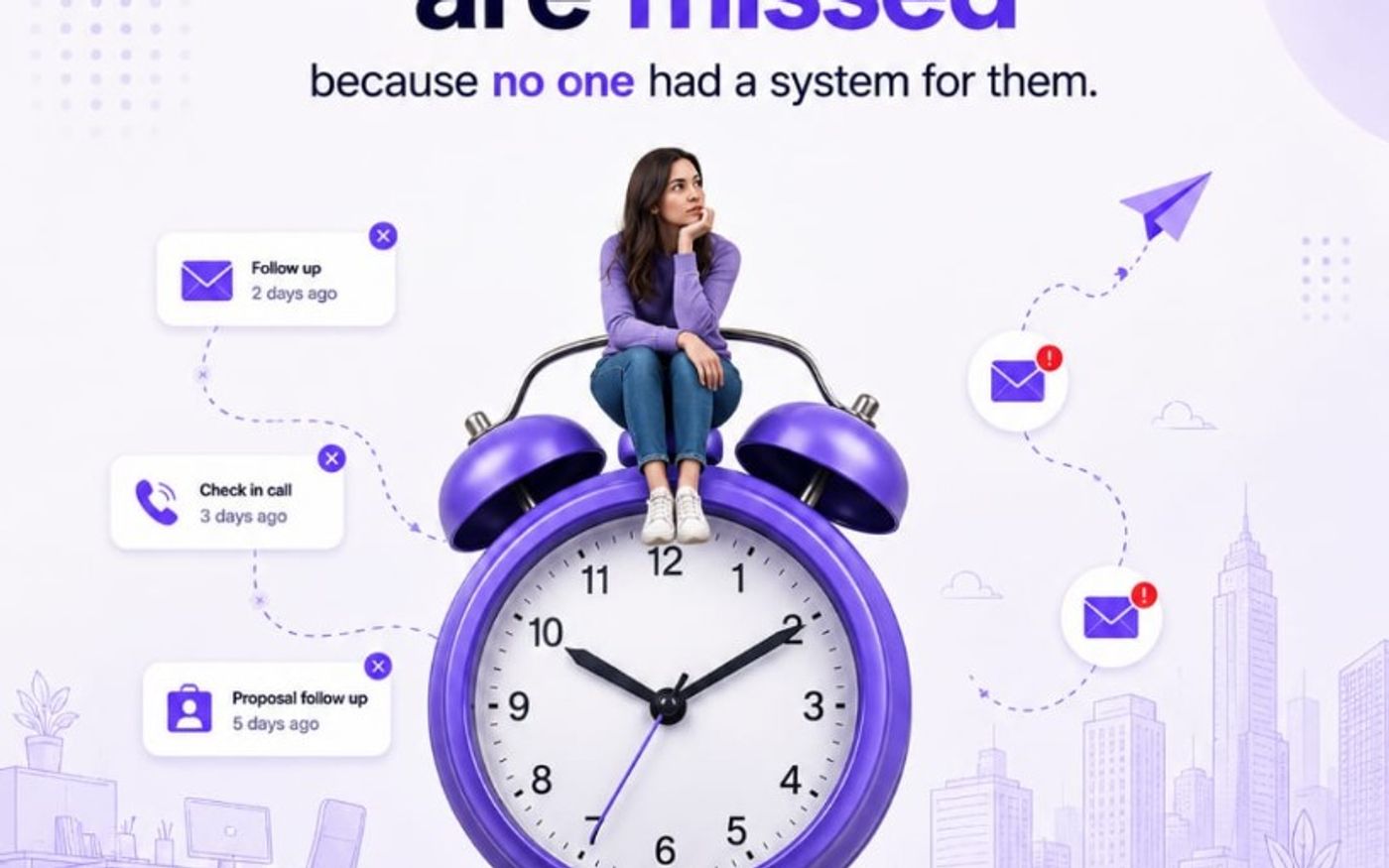
Most follow-ups are missed because no one had a system for them.
That may sound simple, but it explains why so many promising leads go quiet. Reps start the day with good intentions. Then meetings run long, calls take priority, new leads arrive, inboxes fill up, and the follow-up that should have happened quietly slips.
The issue is not always discipline. The issue is that follow-up is too important to depend on individual discipline alone.
What Sales Follow Up Actually Means
Sales follow up is the process of continuing the conversation after an initial touchpoint, response, meeting, call, demo, or proposal.
It is how sales teams turn interest into momentum. A lead may reply once, book a meeting, ask for pricing, or show curiosity. But without follow-up, that interest can fade quickly.
Good follow-up keeps the conversation moving. It reminds the buyer of the next step, answers questions, builds trust, and helps prevent deals from going silent.
That is why sales follow up is not just an admin task. It is one of the most important parts of the sales process.
The Motivation Problem
Motivation is unreliable. Systems are repeatable.
A rep may fully intend to follow up with every lead. But sales days rarely go exactly as planned. A long call can push back the next task. A new opportunity can pull attention away. A manager request can interrupt the flow of the day.
When follow-up depends on memory, the process becomes fragile. It works when the rep is focused, organized, and not overloaded. It breaks when the day gets busy.
This is why sales teams need more than reminders. They need a system that makes the next step visible and repeatable.
Why Sales Teams Miss Follow-Ups
Missed follow-ups are usually not caused by laziness. They are caused by competing priorities.
Reps are often managing active leads, cold prospects, open deals, meetings, calls, internal updates, CRM notes, and email replies at the same time. When everything feels urgent, follow-up can become easy to delay.
The problem gets worse as the pipeline grows. A rep may be able to remember five follow-ups. They cannot reliably remember fifty without a clear process.
Strong sales follow up requires structure. Without it, even good reps miss windows that could have kept leads engaged.
Manual Reminders Break at Scale
Manual reminders work until they do not.
Sticky notes, inbox flags, calendar reminders, spreadsheets, and personal task lists can help for a while. But as lead volume increases, these systems become harder to manage.
A reminder may be missed. A note may become outdated. A calendar event may be ignored because another meeting ran long. A task may sit in a list without enough context to act on it properly.
Manual reminders also make it difficult for managers to understand what is happening. If each rep manages follow-up differently, the team has no shared visibility into which leads are active, paused, completed, or at risk.
How Follow-Up Windows Close Faster Than You Think
Follow-up windows close when buyer attention moves somewhere else.
A lead may be interested today, but that does not mean they will stay focused on your solution next week. Priorities change. Internal conversations move on. Competitors reach out. The urgency that created the original response starts to fade.
When a rep follows up too late, the conversation often has to restart. The buyer may no longer remember the details. The original pain point may no longer feel urgent. The deal may lose momentum.
This is why sales follow up needs timing. The right message at the right moment can keep the opportunity alive. The same message sent too late may not get a response.
7 Signs Your Follow-Up Process Is Broken
A weak follow-up process often shows up before revenue is lost. These signs can help managers spot the problem early.
1. Reps rely on memory
If follow-up depends on what a rep remembers, important leads will eventually slip through the cracks.
2. Follow-ups happen inconsistently
Some leads get contacted quickly. Others wait days. This inconsistency can make the sales experience feel unreliable.
3. Leads go quiet unexpectedly
When leads go quiet, it is often because the follow-up window was missed or the next step was never made clear.
4. Opportunities stall
Deals often stall when there is no structured process for keeping the buyer engaged after the first conversation.
5. Managers chase updates
If managers have to ask which leads need follow-up, the system is not giving enough visibility.
6. No one knows the next step
Every active lead should have a clear next action. If the next step is unclear, follow-up becomes easy to delay.
7. Revenue depends on individual discipline
Top reps may keep up with follow-up on their own, but the team should not rely on personal habits to protect revenue.
How Sales Cadences Create Consistency
Sales cadences turn follow-up into a repeatable process.
Instead of asking reps to remember every next step, a cadence gives the team a structured sequence of actions. That may include emails, calls, LinkedIn-style steps, reminders, or review points.
The benefit is not just automation. The real benefit is consistency.
With a cadence, sales follow up no longer depends on whether a rep happens to remember the right lead at the right time. The system keeps the process visible, organized, and easier to manage.
For additional context, HubSpot explains how sales cadences help teams structure outreach and follow-up: Sales Cadence.
Why Per-Lead Tracking Matters
Per-lead tracking helps teams understand exactly where each lead stands.
Without it, managers may know that follow-up is happening somewhere, but not which leads are active, paused, completed, or waiting for a next step.
This visibility matters because not every lead needs the same action. Some leads need a second email. Some need a call. Some should be paused because they replied. Some should be moved forward because a meeting was booked.
A strong sales follow up system gives reps control while giving managers visibility. The team can stay consistent without turning follow-up into micromanagement.
How Flowforce Helps Teams Stay Consistent
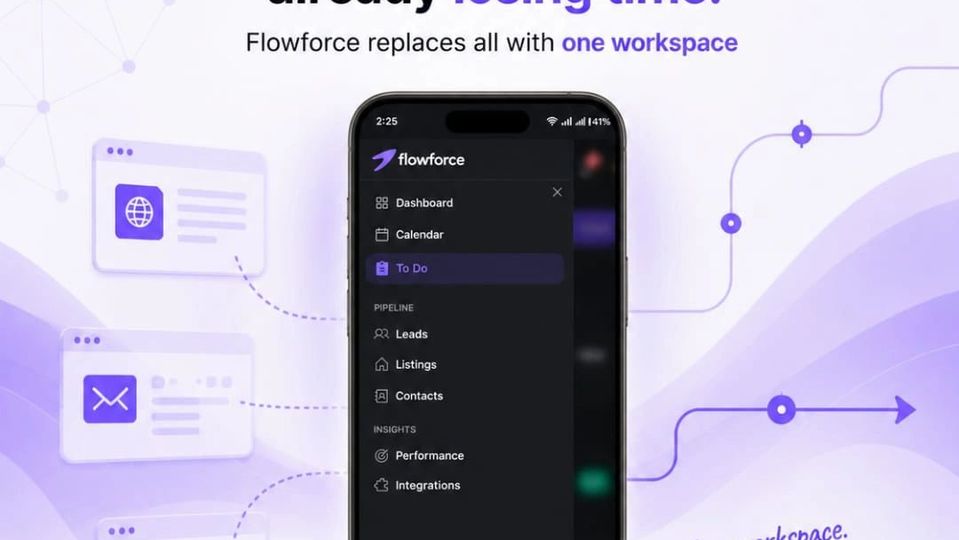
Flowforce helps B2B sales teams manage leads, deals, communication, AI, and follow-up from one CRM workspace.
For follow-up, Flowforce supports sales cadences and per-lead cadence tracking. Teams can organize multi-step sequences, track whether a lead is active, paused, or completed, and keep follow-up connected to lead activity.
This helps reps stay consistent without losing control. They can review and edit steps before sending, keep context attached to each lead, and avoid relying on memory alone.
Flowforce also brings email, phone, SMS, meetings, AI summaries, and lead records into one place. That makes it easier to understand each lead before the next touchpoint and keep the conversation moving.
Final Takeaway: Systems Beat Motivation
Follow-up should not depend on motivation.
Motivation changes. Calendars fill up. Reps get busy. Leads go quiet. Manual reminders fail. But a strong system gives the team a better chance of staying consistent.
The best sales teams do not rely on remembering to follow up. They build repeatable workflows that keep the next step visible.
With Flowforce, teams can manage sales follow up through cadences, per-lead tracking, communication history, and CRM visibility, all from one workspace.
FAQ
What is sales follow up?
Sales follow up is the process of continuing communication with a lead or prospect after an initial interaction, such as an email, call, meeting, demo, or proposal.
Why do sales teams miss follow-ups?
Sales teams often miss follow-ups because reps get busy, leads pile up, reminders fail, and there is no consistent system for tracking the next step.
What is a sales cadence?
A sales cadence is a structured sequence of follow-up actions, such as emails, calls, reminders, and social touches, designed to keep outreach consistent over time.
How can automation improve sales follow up?
Automation can improve sales follow up by keeping next steps organized, reducing manual reminders, supporting consistent outreach, and helping reps avoid missed follow-up windows.
How does Flowforce help with follow-up management?
Flowforce helps with follow-up management by supporting sales cadences, per-lead tracking, communication history, email, phone, SMS, AI summaries, and CRM visibility in one workspace.